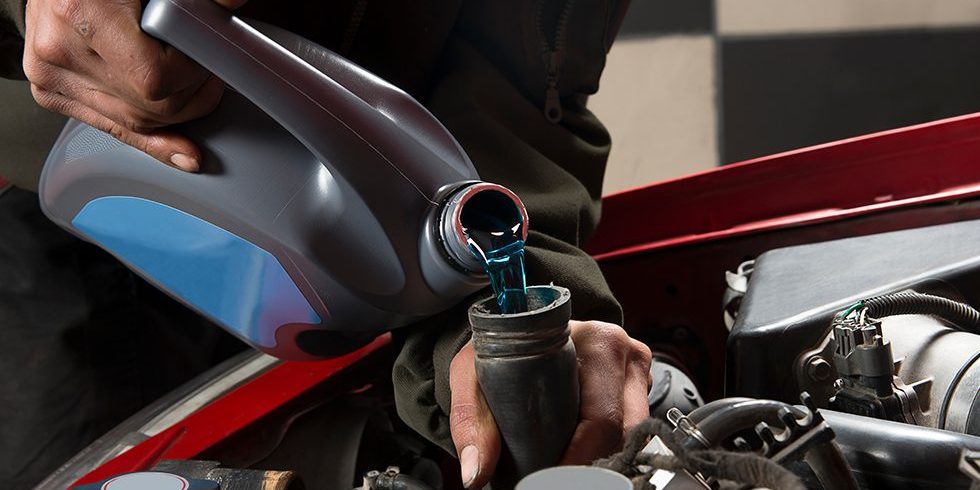
Different types of coolants follow separate chemical standards, and mixing incompatible cooling fluid formulations impacts your system. Using the wrong engine coolant can shorten drain intervals and accelerate cavitation damage, leading to avoidable engine downtime.
To combat this downtime, you should select coolant based on engine specifications, rather than appearance.
Why Coolant Compatibility Matters
Coolant compatibility determines whether chemical inhibitors protect internal surfaces or react against each other during operation.
Mixing incompatible products and inhibitor technologies can cause sludge or deposits that restrict flow and may damage water pumps, liners, and heat exchangers.
Coolant Types and What They Protect Against
Coolant types vary by inhibitor chemistry, service life, and surface interaction inside the cooling system. Understanding those differences helps fleets align engine coolant selection with materials, operating temperatures, and maintenance planning.
Inorganic Acid Technology (IAT) Coolant
IAT protects by rapidly coating internal metal surfaces, aligning with older engine designs and legacy metals. Ethylene glycol coolant is one option that uses inhibitor packages that favor immediate coverage over long service life.
- Protection method: IAT forms a fast silicate and phosphate layer on iron and copper surfaces.
- Engine fit: This coolant supports older gasoline and diesel engines built with cast-iron blocks.
- Maintenance impact: Many IAT options need supplemental additives to defend wet-sleeve liners.
Organic Acid Technology (OAT) Coolant
OAT engine coolant protects selectively by activating only at corrosion sites, preserving additives, and extending drain intervals. OAT coolant prioritizes durability over blanket surface coating.
Here is how OAT coolant functions in practice:
- Protection method: OAT coolants use organic acids that react only at the point where corrosion starts.
- Engine fit: This option serves modern engines with aluminum radiators and exhaust gas recirculation coolers.
- System behavior: OAT coolants avoid silicates to reduce scale formation and deposit buildup.
Hybrid Organic Acid Technology (HOAT) Coolant
HOAT blends immediate surface coverage with extended protection chemistry. Cooling fluid in this category may support broader compatibility across engine generations.
HOAT coolant supports mixed engine fleets in the following ways:
- Protection method: HOAT coolants combine a light silicate film with long-life organic acids.
- Engine fit: These coolants serve mixed-age fleets after complete system conversion.
- System behavior: They balance liner protection with extended drain performance.
- Standardization value: HOAT simplifies coolant inventories across original equipment manufacturers.
Trust SC Fuels for Your Fleet’s Coolant Needs
SC Fuels partners with fleets to assess operating conditions, recommend vehicle maintenance chemicals, and support high uptime with more predictable maintenance costs.
Contact us to discuss your fleet’s chemical and fuel needs and see how we can help improve operational performance.