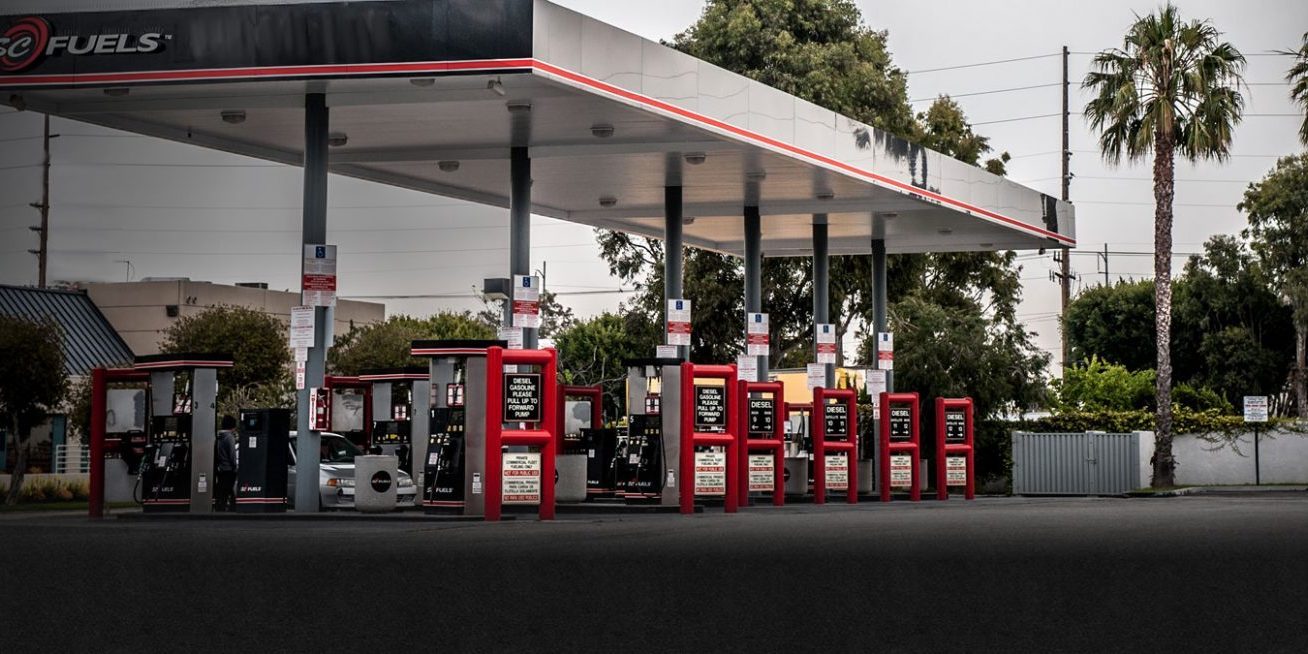
Fueling is a routine activity in many people’s lives, but it carries some dangers to be aware of. Gasoline fumes are highly flammable and toxic because they contain harmful hydrocarbons. Here are some guidelines for safely fueling at hand-operated pump stations:
1. Park Close to the Pump
Positioning your car closer to the pump can prevent hose stretching, lowering the potential for hose leaks or tripping hazards.
2. Turn off Power
Never attempt to fuel an active vehicle or tool. You should always turn off your vehicle or equipment.
3. Remove Ignition Sources
Avoid any activity involving ignition sources, such as smoke, matches, or lighters, near or around gas and gas pumps.
4. Confirm Fuel Grade
Check the labels before fueling to ensure you use the correct fuel for the vehicle. Using the wrong fuel could damage your engine.
5. Release Static
Before reaching for the nozzle, touch a metal part of the vehicle that is not near the fill point. This step will release any static electricity that could cause a fire hazard.
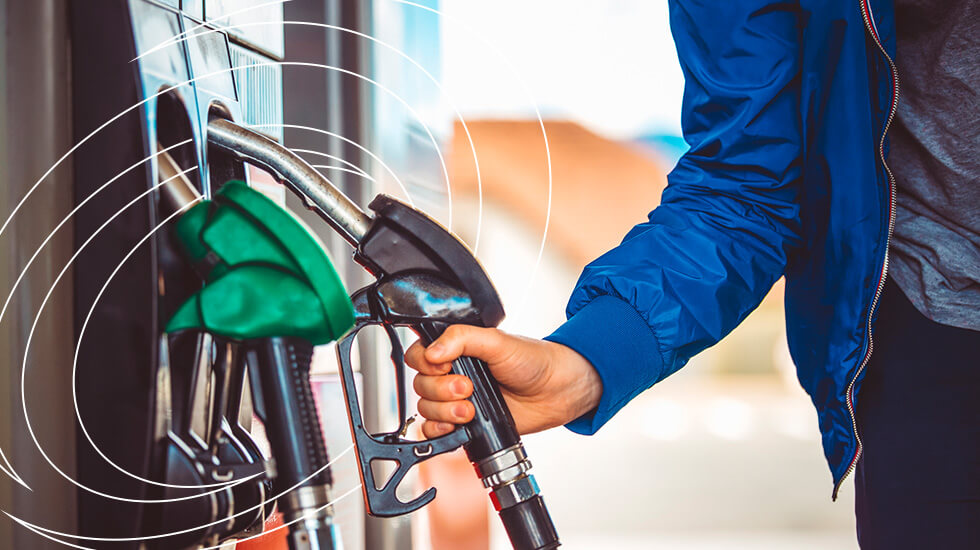
6. Remain Outside the Vehicle
Do not re-enter your vehicle while fueling. This action could build up static charge and create a fire risk.
7. Maintain Manual Control of the Nozzle
If a nozzle lacks automatic controls, do not place items like a gas cap or wallet in the handle to keep the gas flowing. Instead, hold the nozzle with your hand throughout the fueling process.
8. Reduce Distractions
Do not use your phone or participate in other activities while fueling. Eliminating distractions enables you to be fully aware of the fueling process and ready to respond should a fire or other incident occur.
9. Fill Containers Safely
Never use glass or random plastic bottles for gasoline storage. Only pump gasoline into the fuel tank or an approved red metal or high-density polyethylene container. Additionally, if you are fueling a portable gasoline container, place it on the ground and insert the nozzle before activating the pump.
Do not fuel your container while it is in your trunk, truck bed, or anywhere else besides the ground. Fueling your container anywhere else could generate static electricity and spark a fire.
10. Notify Attendants of Spills
If a spill occurs while refueling, notify the station attendant immediately. Never attempt to start the vehicle if there is a spill.
11. Fully Drain the Nozzle
When you finish pumping gas, let the nozzle fully drain before removing it. This step helps prevent drips on shoes or the pavement. Also, ensure you click the gas cap into place tightly.
12. Respond Appropriately to Fires
If a fire occurs while refueling, do not remove the nozzle. Step away from the pump and notify the site attendant immediately. If there is no attendant on-site, locate and activate the emergency shut-off switch on the premises.
You may have the initial reaction to pull the nozzle out of your gas tank, but it’s vital that you do not do this. There is not enough oxygen in your tank for an explosion to occur. However, removing the nozzle will ignite the fumes and significantly increase the risk of injury.
Let the Professionals Refuel Your Business’s Vehicles and Equipment
Outsource your fueling to experienced professionals at SC Fuels. We offer mobile on-site fuel delivery services to businesses in Southern California during non-operational hours. This can help you improve efficiency and reduce the need for your staff to fill up at gas pumps. We can deliver the fuel you need, including gasoline, diesel, and alternative fuels.
Fill in our online contact form to get started.