Cold weather changes the game for fuel station operators and drivers. Fuel inventory may shrink during the winter months, even without usage. This is caused by a remarkable phenomenon called thermal contraction. The effects of cold weather on fuel can lead to revenue loss due to reduced volume if not managed properly.
SC Fuels helps you minimize winter losses through temperature-controlled delivery, automated tank monitoring systems, and winterized fuel products designed for cold-weather reliability. Partnering with a sophisticated supplier like SC Fuels ensures you get quality fuel, exceptional service, and industry-leading expertise tailored to your needs and location. Our delivery network has wide coverage, and our automated tank monitoring systems track real-time levels and prevent run-outs during usage spikes.
| Fluid | β (10-6/K) |
| Ethyl Alcohol | 1,120 |
| Gasoline (petroleum and diesel) | 950 |
| Jet Fuel | 990 |
| Mercury | 181 |
| Water | 207 |
(all above measure at 20°C)
Does Winter Impact Your Fuel Inventory and Bottom Line?
Fluids condense and shrink in volume when the temperature is cold. Because diesel and gasoline are fluids, they become much denser when it is cold. When you order fuel delivery in lower temperatures, it may reduce the final volume. While fuel delivery trucks are typically temperature-controlled to ensure you receive the fuel you pay for, if you then store fuel in the cold, it could result in a lower volume than was delivered.
Why Fuel Volume Shrinks in the Cold
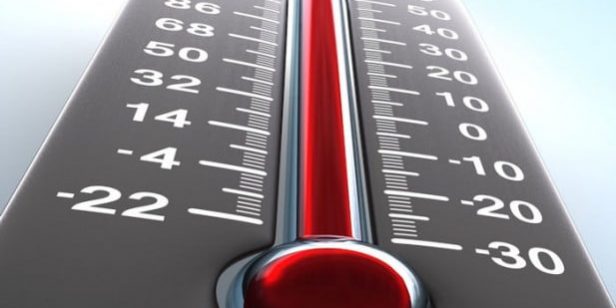
The scientific principle of thermal contraction causes molecules in the liquid to slow down and pack more closely together. As liquids like gasoline or diesel are cooled, the kinetic energy of their molecules decreases, causing them to move less and occupy less space. The industry standard for measuring fuel volume is 60°F. When fuel temperature drops below this, its volume decreases, and when it rises above this, its volume increases.
A gallon of gasoline at 40°F actually contains more fuel molecules than a gallon of gas at 80°F. The difference is that the molecules are compacted at lower temperatures.

Diesel Gelling
Diesel is particularly affected during winter as it contains paraffin wax. In extreme cold, this wax crystallizes and solidifies, turning the fuel into a thick, jelly-like substance that clogs fuel filters and lines, leading to difficult starting, engine sputtering, and potential total engine failure.
SC Fuels provides winterized diesel blends and anti-gel additives to prevent downtime when temperatures dip below 20°F. These formulations lower the cold filter plugging point (CFPP) — the temperature at which wax begins to block your fuel system. Our solutions keep diesel flowing freely and engines starting reliably, protecting your operations and productivity throughout winter.
Trust SC Fuels for Reliable Winter Operations
SC Fuels is your trusted partner for reliable fueling supply year-round. We serve over 11,000 customers annually, from single, independent gas stations to Fortune 500 companies. Our team proactively manages your supply, delivering the right gasoline, diesel fuel, alternative fuels, and other petroleum products, and related services. Beyond delivery, we provide automated tank monitoring to track fuel levels and temperature fluctuations in real time, helping you identify shrinkage issues before they impact your bottom line. Our team can also offer guidance on optimal fuel storage practices for cold-weather conditions.
Contact Us Today
SC Fuels offers end-to-end petroleum solutions to keep your operations running year-round. Call us at (888) SCFUELS or contact us online for on-site fuel delivery, a customized Fuel Card Program, and branded or unbranded wholesale fuel solutions.